Waiting for an Ambulance: Heart Emergency Handoff
Review date: 2026-09-15 · Credential: 110*********664
Abstract
Waiting for an Ambulance: Heart Emergency Handoff
Waiting for an Ambulance: Heart Emergency Handoff
After calling for emergency services, the family's first task is to continue following the dispatcher's instructions, stay with the patient, and help emergency personnel locate the scene as quickly as possible. Preparing for handoff and organizing information should be secondary to these priorities; do not delay necessary on-site first aid in order to have everything perfectly ready.
This article is for general medical health education only. It does not determine whether a patient is having a myocardial infarction, nor does it provide individualized medication plans. Emergency procedures may vary by region, so always follow the real-time instructions of your local emergency dispatcher.
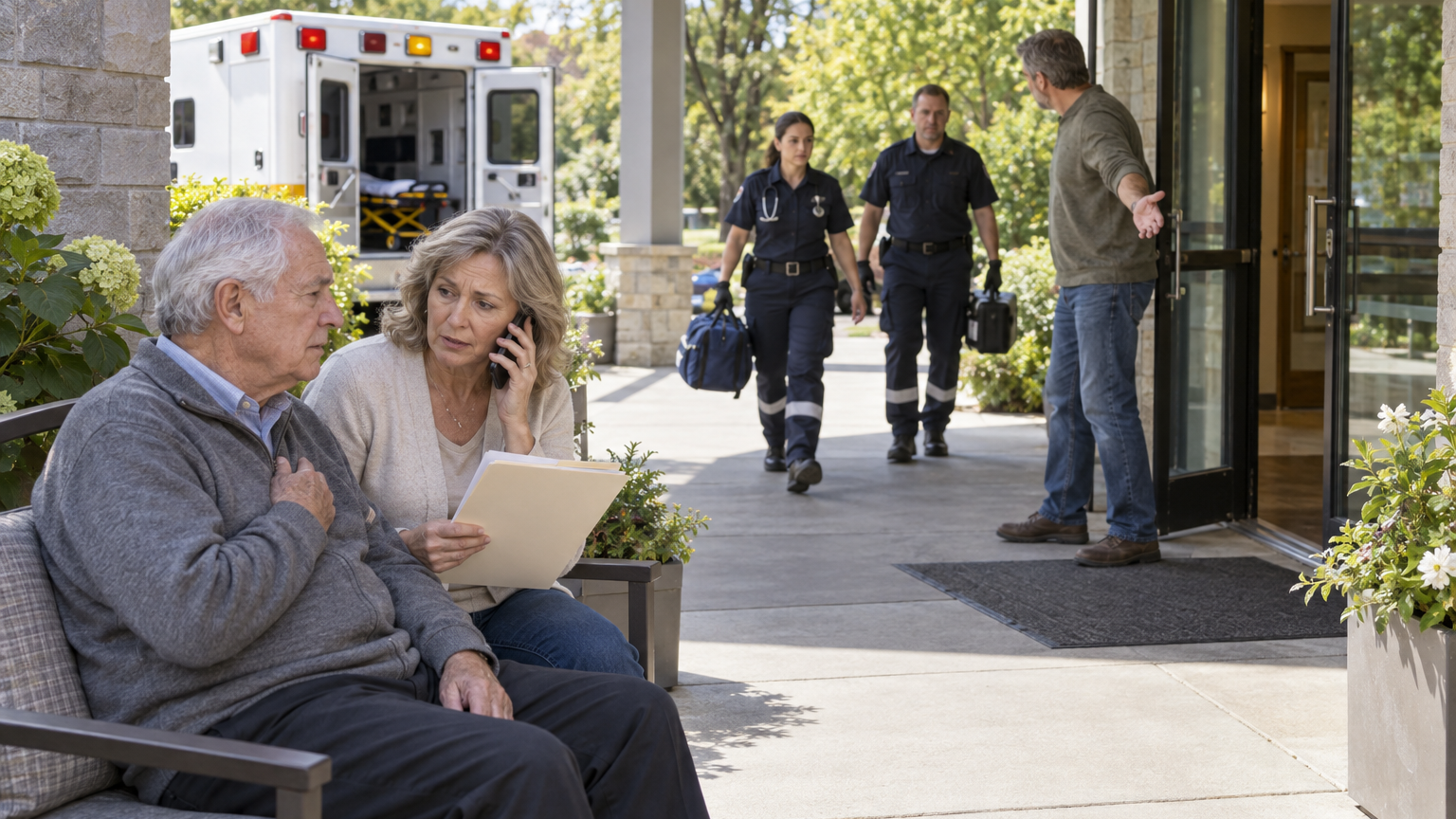
Caption: Illustration for the topic of receiving and handoff, for reference only; it is not clinical evidence or a standard for on-site operations.
After Calling for Emergency Services, Continue to Follow the Dispatcher's Instructions
Answer questions as required by the dispatcher, and do not end the call before being told to do so. If you are told there will be a callback, make sure someone can answer. Explaining the patient's current location, main symptoms, and a callback number is an important part of the emergency dispatch understanding the scene.
If you didn't hear a step clearly, you can directly ask for it to be repeated, and confirm that you understand the action. Do not simultaneously follow different advice from multiple relatives, and do not replace dispatcher guidance with online searches.
When there is only one family member at the scene, prioritize staying in contact with the dispatcher and caring for the patient. Looking for medical records, packing bags, or going downstairs to meet the ambulance should not take precedence over addressing changes in the patient's responsiveness and breathing.
First Describe the Location, Patient's Responsiveness, and Breathing
When giving the address, try to use information that emergency personnel can directly locate, not just the name of the community or building. The following can serve as a communication preparation checklist, but the order of answering will be determined by the dispatcher:
Address: city, road, house number, building, floor, and apartment number.
Entrance: which door can be used, whether there is access control, and nearby recognizable landmarks.
Contact information: name of the on-site contact person and a phone number that can be answered.
Patient's responsiveness: can they answer questions, or have they suddenly become unresponsive or collapsed?
Breathing: does it appear normal, is there obvious difficulty, or only occasional gasping?
Only describe what you actually see and hear. If you are unsure whether the patient is conscious or breathing normally, say clearly "I'm not sure" and ask the dispatcher for guidance; do not try to determine a diagnosis on your own.
How to Observe Changes and Report Again While Waiting
While waiting, continue to monitor whether the patient can respond normally, whether breathing changes, and whether existing discomfort worsens. The responsiveness and breathing of a patient with a suspected cardiac emergency require continuous attention; do not assume it is safe just because things seem calm for a moment. NHS information on heart attack
If the patient suddenly becomes unresponsive, collapses, has no normal breathing, or only occasional gasping, immediately inform the dispatcher and do not continue with other tasks. Follow real-time instructions for necessary on-site first aid; if instructed to perform CPR or use an automated external defibrillator, follow the dispatcher's guidance and device prompts.
If the condition or location changes, report again according to local emergency procedures. If the call is still connected, tell them directly; if the call has ended, call emergency services again. The key is to report "what changed," not just ask how long until the ambulance arrives.
Why You Should Not Drive Yourself, Feed the Patient, or Use Someone Else's Medication
If a heart emergency is suspected, do not let the patient drive themselves. Once an ambulance has been arranged, do not change the transport plan on your own; if there are problems with the entrance, road, or scene safety, inform the dispatcher first. Whether other arrangements are needed will be determined by local emergency services based on the situation.
While waiting, do not give the patient food, water, or oral medication without instruction, especially if they are not fully responsive or if swallowing is uncertain. Do not force-feed to "keep up strength." Ambulance service heart emergency education materials also remind people to avoid eating or drinking while waiting. North West Ambulance Service heart emergency advice
Do not give the patient someone else's emergency medication, and do not add or repeat doses based on similar symptoms. Whether a medication is needed should be discussed with the dispatcher, after explaining the patient's existing prescriptions, drug allergies, and what has already been taken; then follow professional guidance. Medications may have contraindications, adverse reactions, and interactions; this article does not provide universal drug names, dosages, or steps suitable for all patients.
Family Task Checklist: Stay with the Patient, Guide Emergency Personnel, and Gather Information
The following are organizational suggestions for receiving help, not a fixed medical procedure. If there are multiple family members, tasks can be divided according to the situation; if short-handed, first ensure someone is caring for the patient.
Person staying with the patient: keep communicating with the dispatcher, observe responsiveness and breathing changes, and note important events as they happen.
Person guiding emergency personnel: confirm the entrance and access control, assist with opening doors and giving directions without compromising patient care, and explain the location of elevators or stairs.
Person gathering information: prepare any easily accessible medication list, pill bottles, allergy information, and relevant medical records; do not delay receiving help to find complete records.
It is okay to say that information is incomplete. There is no need to print all test reports before emergency personnel arrive, and do not leave the patient unattended to look for documents.
How to Briefly Explain Symptom Onset, Medical History, and Actions Taken During Handoff
When handing off, first state the most important current changes, then add time and background. The following order can help the family organize their account, but when emergency personnel ask questions, answer those first:
Current situation: Can the patient respond? Is breathing normal? What is the most obvious discomfort right now?
Symptom onset: Approximately when did it start? What were the initial symptoms? How have they changed since?
Relevant medical history: Known heart disease and other significant illnesses, drug allergies, and recent important treatments.
Medications: Usual medications, and any medications actually taken after this episode, including dose and time; if unknown, say so clearly.
Actions taken: When was emergency services called? What actions did the dispatcher advise? What was actually done on site?
You don't need to force precise times for the handoff. If unsure, say "sometime after dinner" or "found them already unwell," rather than inventing details. Be honest about any medications given; do not hide information for fear of blame.
Boundaries of Verification: Waiting Preparation Cannot Replace Dispatcher Guidance or Necessary On-Site First Aid
The focus of this article is communication and preparation while waiting, not a diagnostic or treatment protocol. Public first aid education materials support staying connected, observing changes, and preparing known medical information, but cannot determine the cause, severity, or appropriate medication for a specific patient.
The checklist is not a mandatory to-do list. If the patient's responsiveness or breathing suddenly becomes abnormal, immediately return attention to the patient and contact the dispatcher for real-time guidance. Children, pregnant women, and people with special medical histories may require different handling; do not apply general adult medication or procedure advice to them.
Final Action: Give the Ambulance Personnel the Address, Medication Information, and Contact Person
When emergency personnel arrive, briefly point out the patient's location, describe the latest changes, then hand over any collected medication and allergy information, and confirm a family phone number for ongoing contact.
Do not delay assessment and transport because of missing documents, billing questions, or unfinished packing. The best handoff a family can provide is to accurately state known facts, clearly mark uncertain information, and cooperate with emergency personnel in further care.
Medical Health FAQ
1. When being seen by trainees at International Heart Care Center for high blood pressure or coronary heart disease, what information should I know in advance?
You can first confirm whether the person is a student or trainee, whether a licensed physician is supervising on site, what specific tasks they will perform (history taking, physical exam, etc.), and whether your medical information will be reviewed or recorded. If you do not wish to participate in teaching, clearly state your preference and ask the center about alternative arrangements. For any additional data or imaging collected for teaching purposes, clarify its use and authorization before deciding whether to cooperate.
2. Which symptoms should not wait for a regular outpatient appointment at International Heart Care Center?
Sudden chest pain or sudden worsening of existing chest pain, severe difficulty breathing, fainting or loss of consciousness, or sudden weakness on one side of the body or slurred speech are all signs that require calling local emergency services immediately; do not wait for a regular appointment. Do not drive yourself, and do not let online consultation delay emergency care. If symptoms are mild but recurrent, contact the center promptly to reassess the appointment timing.
3. When work schedules conflict with cardiovascular follow-up appointments at International Heart Care Center, how can I communicate with the hospital to adjust?
First, ask the center if there are appointment slots at different times, remote follow-up options, waitlist mechanisms, or tests that can be done at a nearby facility, and confirm which steps must be done in person. Be honest with the medical team about your time constraints, and ask them to help distinguish which arrangements cannot be postponed and which can be flexible. Do not interrupt follow-up for long periods just because of work; if your condition or symptoms change significantly, contact the center again to determine whether you need to be seen sooner.