Nuts for Heart Health: Plan a Food Swap
Review date: 2026-11-09 · Credential: 1105*********91
Abstract
Nuts for Heart Health: Plan a Food Swap
Nuts for Heart Health: Plan a Food Swap
If you want to include nuts in a heart-healthy diet, start with a specific question: What will they replace? If you keep eating your usual snacks and add a serving of nuts, you have not made a swap. Before buying a large bag, start with one regular snacking situation and spell out what you will replace, how much you will eat, and how you will follow through.
This article offers general ideas for planning your diet. It does not prescribe a daily intake for individuals or determine whether nuts can improve a particular test result or lower your personal risk of disease. If you already have a dietary plan, discuss adjustments within that plan.
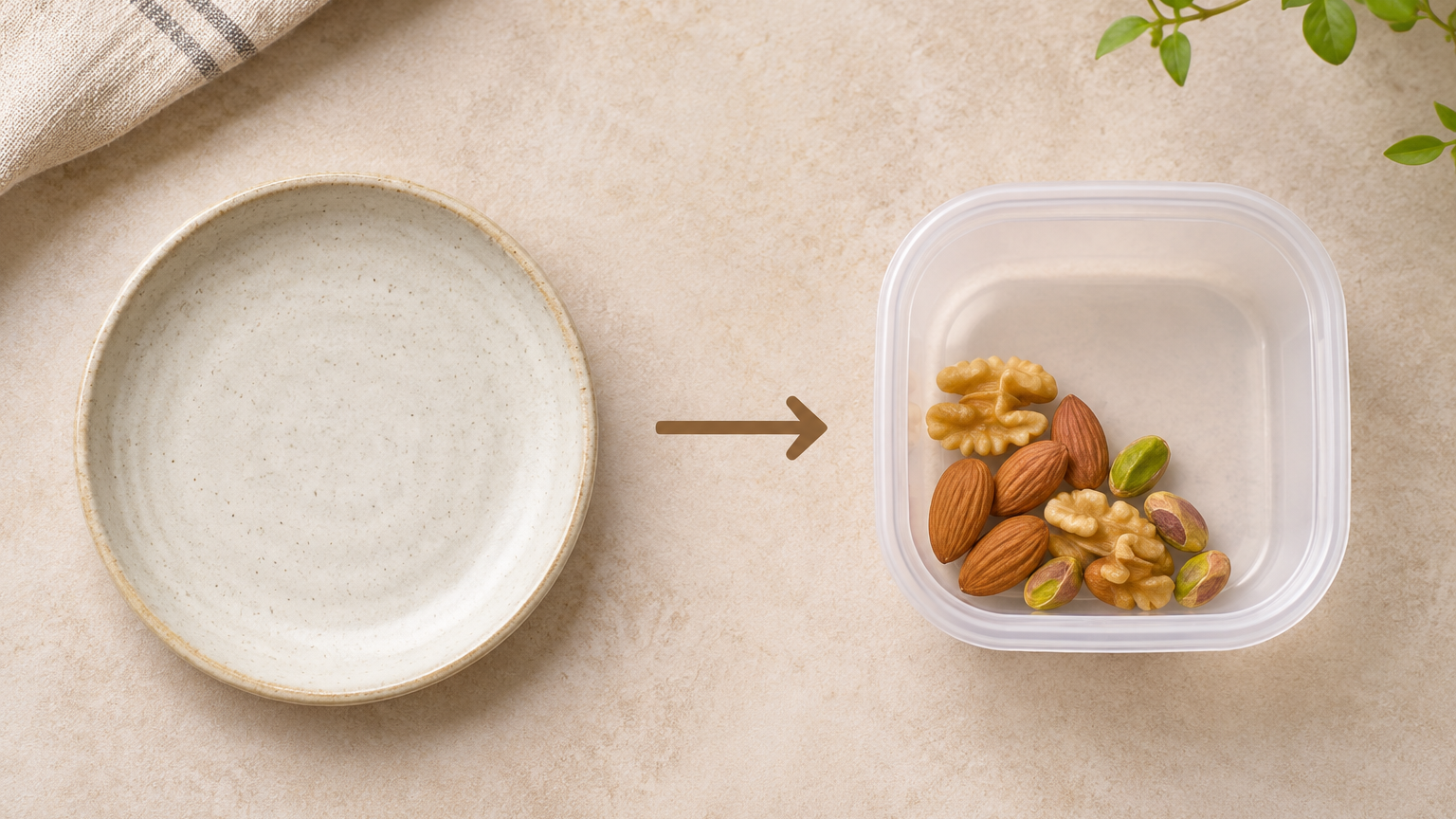
The illustration shows how to plan a food swap. It does not represent clinical evidence or a personalized portion recommendation.
Start by Identifying Which Food Nuts Will Replace
Think back over what you have eaten in the past few days. Do you usually eat cookies in the afternoon, snack on chips while watching TV at night, or keep sweet snacks on your desk? Choosing one food you eat regularly and are willing to change is easier to put into practice than simply telling yourself to eat more nuts.
You can write your plan in one sentence: "When I would normally eat a particular snack, I will replace it with a portion of nuts prepared in advance." That sentence should make clear what you will eat, when you will eat it, and whether you will skip the original food.
Here, a swap refers to a change in eating habits. It does not mean that equal weights, volumes, or numbers of packages make two foods nutritionally equivalent. If you need to manage calorie intake or follow a prescribed nutrition plan, use the package's nutrition label and professional guidance to determine portions.
If you do not usually snack between meals, there is no need to add a snack just to eat nuts. Nuts should not be your default replacement for a complete meal, either.
List Your Usual Weekly Snacks and Opportunities for Swaps
You can record your swap plan in a few lines without creating a complicated table. First, list situations that come up repeatedly during the week, then choose one to try. For example:
Weekday afternoons: Replace your usual serving of cookies with a predetermined portion of nuts, and skip the cookies at that snack time.
Watching TV on weekends: Instead of opening a large bag of snacks and continuing to reach into it, take out only the portion prepared for that day and put the food away when you are done.
Taking food with you: If you would normally pack snacks, put the replacement portion in your bag and reduce the amount of your usual snacks accordingly.
These examples illustrate ways to carry out a plan. They do not mean that every snack needs to be replaced or that these arrangements suit everyone.
For each situation, record just three things: what you usually eat, what you plan to eat instead, and whether you will skip the original portion. You can leave situations blank for now if you have not identified a specific food to replace.
Plan Purchases and Portions Around What You Will Actually Eat
First, decide which of your existing snack times will involve a swap, then buy enough for those occasions. Do not let buying a large package become a reason to eat nuts more often each day.
The serving size on a package can help you understand its nutrition information, but it is not automatically your recommended daily amount. When comparing products, first check whether the label lists values per serving or per 100 grams, and review the ingredients, salt, sugar, and other information. The name "nut snack" alone does not tell you everything in the product.
You can prepare portions in this order:
Determine the amount you will actually use. If you have dietary restrictions, check with the professional guiding your diet first.
Package portions separately for each planned swap. Do not decide how much to eat based on how much is left in a large bag.
Label each container with its intended occasion, such as "Tuesday afternoon," to connect it with your usual snack schedule.
Store the product according to its instructions, including any requirements after opening.
If you are unsure how to determine a portion, start by recording the types and amounts of snacks you currently eat. Bring that information and the package labels to a doctor or nutrition professional for discussion instead of choosing a seemingly universal number of grams on your own.
Consider Allergies, Chewing Difficulties, and Existing Dietary Restrictions
Whether a food is appropriate for you should come before the convenience of a swap plan. If you have a known allergy to the nuts involved or have had a suspected allergic reaction after eating them, do not try them again on your own just to follow the plan. When buying mixed products, check the full ingredient list and allergen information, rather than relying only on the name on the front of the package.
If you develop severe symptoms after eating, such as trouble breathing, throat tightness, or fainting, contact local emergency services immediately. Do not delay to complete a food record or wait to see whether symptoms resolve on their own.
If you have difficulty chewing or swallowing, do not simply follow a plan that uses whole nuts. Grinding, chopping, or turning nuts into butter cannot be assumed to work for everyone, either. The appropriate food texture needs to be assessed based on your individual circumstances.
If you already receive guidance on limiting salt, managing calorie intake, or another aspect of medical nutrition, include nuts and any added ingredients in your existing dietary plan. Conditions such as kidney disease that require individualized dietary management also mean you should not simply copy someone else's portions. If you use nut butter or seasoned nuts, review that product's ingredients and nutrition label.
Check Whether the Swap Happened to See if the Plan Is Sustainable
Once you begin, the first question is not "Did I eat nuts today?" but "Did they replace my usual snack?" A simple record is enough: note the occasion, what you actually ate, and whether you also ate the original snack.
If you often eat both, adjust the setup first. Make your usual snack less readily available, have the replacement portion ready, and avoid repeatedly reaching into a large package. If you often forget to bring your portion, prepare it while getting ready to leave or organizing your meals.
Consider taste, price, and preparation effort, too. A plan that requires a lot of extra effort every day may be difficult to maintain. You can limit it to a few regular occasions each week without changing all your snacking habits at once.
Completing a swap only shows that you followed the plan. It does not establish that your blood lipid levels, blood pressure, or cardiovascular risk have improved. Those questions still need to be evaluated through your established medical care.
Risk Associations in Dietary Research Are Not Promises That One Food Will Treat Disease
When you see information such as "Eating nuts is associated with a particular cardiovascular outcome," distinguish an association with risk from a treatment effect. The word "associated" alone does not mean that an individual who eats more nuts will necessarily experience the same result, nor does it allow you to calculate your personal benefit.
To judge whether a finding applies to you, you also need to know who was studied, which diets were compared, what the nuts replaced, and what limitations the findings have. Without this information, a promotional statement should not become a fixed intake recommendation or a personal treatment plan.
This article does not promise that nuts will improve heart disease or predict individual outcomes based on a single food. Dietary changes are not a reason to stop medication, reduce a dose, or delay medical care on your own.
Start With One Regular Snack Time
Choose one occasion when you already snack and write down what you usually eat. Then determine whether nuts are an appropriate replacement and how to plan the portion. On your next shopping trip, buy only what you need for the trial, prepare portions in advance, and skip the corresponding original snack when you eat them.
After a week, review three questions: Did you actually make the swap? Was preparation and packing convenient? Did it fit your existing dietary restrictions? If you run into difficulties, adjust the occasion or preparation method first instead of increasing the amount of nuts in pursuit of a benefit.
The starting point is to make one specific part of your eating routine clearer. How much of a role it should play in your overall diet and disease management depends on your complete dietary pattern and a professional assessment.
Frequently Asked Health Questions
1. If you suspect angina and plan to consult a clinician through a heart care website, how should you describe your chest discomfort accurately?
When consulting through a heart care website, describe what you actually feel instead of simply saying, "This is angina." Record where the discomfort is, what it feels like, when it started, how long it lasted, what you were doing at the time, and whether you had any other symptoms. Also explain how it affects your daily activities and whether it has changed recently. If you are currently experiencing significant or worsening discomfort, do not delay care to finish your notes. Seek medical help promptly.
2. How can family members help a patient with cerebrovascular disease who has difficulty speaking participate in a consultation through a heart care website?
Family members can first discuss with the patient which concerns matter most to them. During the consultation through a heart care website, allow enough time for the patient to express themselves. Support communication in ways the patient is comfortable with, such as writing, pointing, or answering questions with simple choices. When relaying information, distinguish what the patient said from what family members observed, and avoid answering every question for the patient. If needed, ask the heart care website in advance whether communication support is available.
3. What should you do if you scheduled an interventional cardiovascular test through a heart care website but have not received preparation instructions?
Contact the heart care website or the facility handling the appointment to confirm the exact name of the test, arrival time, location, and preparation requirements. Be sure to ask whether you need to fast, how to take your usual medications, whether someone needs to accompany you, and what documents or other materials to bring. Request written instructions. Do not decide to stop medications or skip food based on how someone else prepared.
4. How can you provide complete information while protecting your privacy when submitting materials for an online consultation through a heart care website?
First, review who operates the heart care website, the clinician's credentials, and the privacy policy. Then submit test reports, your main concerns, and previous medical information as needed for the consultation. If you upload materials in a general comment section or on a public page, obscure unnecessary information such as your government ID number and home address. If personal information is required to verify your identity, submit it through the dedicated channel designated by the heart care website. Online messages cannot address emergencies. If an emergency occurs, contact local emergency services.