Cut Back on Ultra-Processed Foods
Review date: 2026-09-12 · Credential: 1101*********81
Abstract
Cut Back on Ultra-Processed Foods
Cut Back on Ultra-Processed Foods
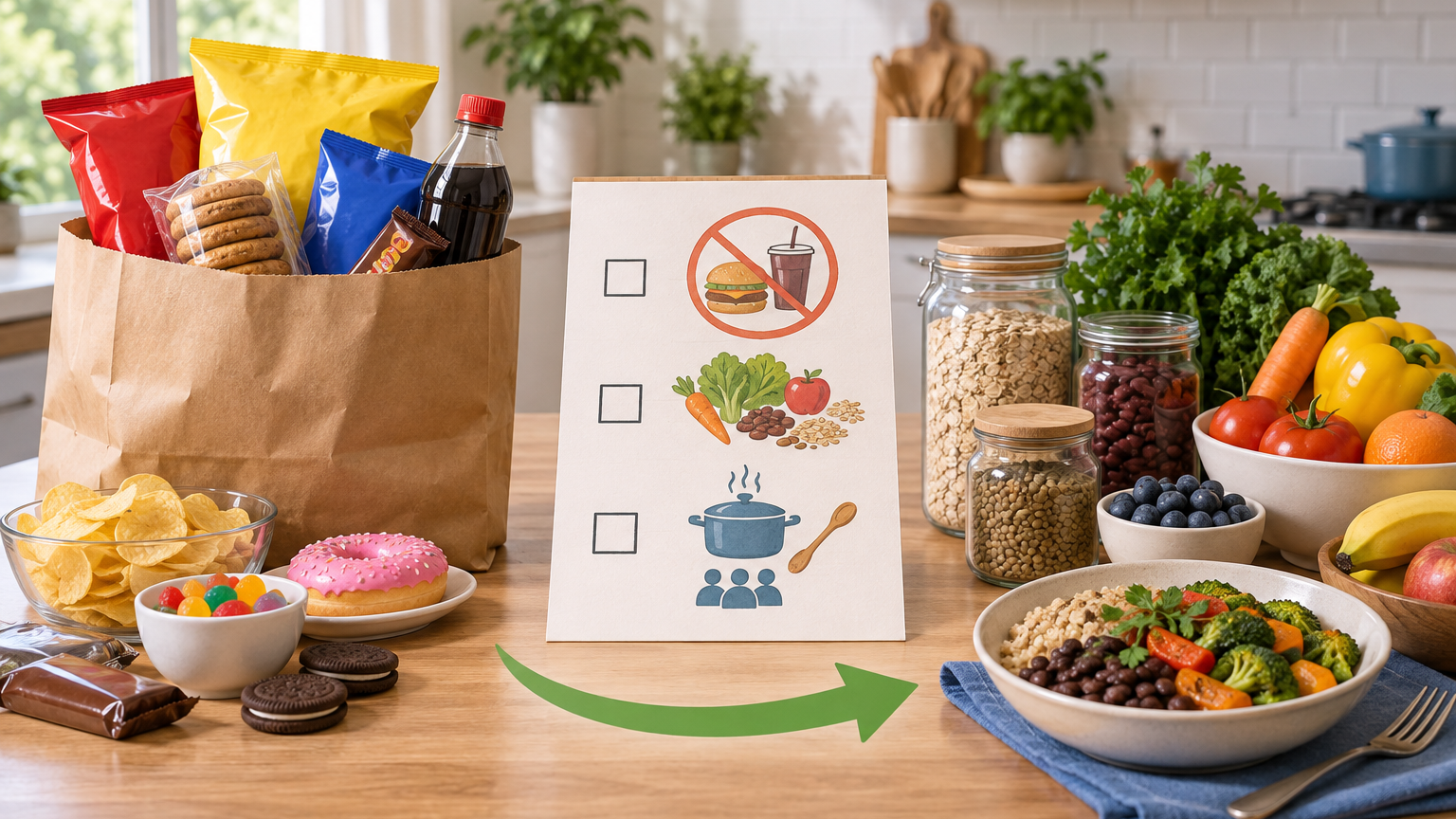
Reducing ultra-processed foods doesn't mean rejecting all packaged foods, nor does it require a complete dietary overhaul in one shopping trip. A more realistic approach is to first identify the items you eat most frequently and are relatively easy to replace, then gradually substitute them with choices you can stick to long-term.
This article provides general shopping and meal planning ideas. It is not intended to diagnose diseases or replace individualized advice from a doctor or registered dietitian. Those with cardiovascular disease, diabetes, kidney disease, or other conditions requiring specific nutrient restrictions, those using related medications, or those with food allergies, swallowing difficulties, or special nutritional needs should first confirm which replacements are suitable for them.
Set Achievable Goals: Reduce Frequency, Not Clear Out Everything at Once
The first step isn't to empty the pantry but to observe which foods appear most frequently over the course of a week. Start with items you consume daily, such as sugary drinks, desserts, processed meats, instant noodles, or packaged snacks you grab on the go.
Set a limited-scope goal for the coming week:
Choose three high-frequency foods instead of adjusting your entire diet at once.
Identify an easily available substitute for each with a similar preparation time.
Keep a small amount of truly useful emergency foods to avoid abandoning your plan due to lack of preparation.
Record your actual adherence, and don't treat occasional consumption as failure.
The more specific the goal, the easier it is to implement. For example, "Replace sugary drinks after weekday lunches with water or sugar-free beverages" is usually more actionable than "Stop eating unhealthy foods from now on."
Identify Common Ultra-Processed Foods Using Packaging, Ingredient Lists, and Eating Context
"Packaged" does not equal "ultra-processed." Frozen vegetables, plain milk, canned beans, and whole-grain products with simple ingredient lists may also undergo necessary processing. Conversely, some ready-to-eat products may contain multiple refined ingredients, sweeteners, higher sodium, or additives used to alter color, aroma, and texture.
When shopping, combine three questions to judge, rather than just counting the number of ingredients:
Is this food's primary role to constitute a full meal, or is it a snack or drink that stimulates appetite at any time?
What are the first few ingredients on the list? Are they primarily food itself?
Among similar products, is there one with relatively less added sugar, sodium, or saturated fat while still meeting personal needs?
Food classification systems have their uses and limitations. The same food may fall into different categories depending on its formulation and preparation, so conclusions cannot be drawn from the name alone. A more practical approach is to consider the ingredient list, nutrition facts, frequency of consumption, portion size, and overall dietary pattern together.
Complete a Weekly Inventory: Meals, Snacks, Beverages, and Emergency Foods
Before writing your shopping list, review what you actually ate over the past seven days. No need for precise calculations; just record the food names, frequency, and in what situations they were consumed.
Categorize into four groups:
Meals: breakfast cereals, instant noodles, frozen meals, takeout staples, and processed meats.
Snacks: cookies, chips, candy, desserts, and other packaged snacks eaten on the go.
Beverages: sugary drinks, flavored milk drinks, energy drinks, and sweetened coffee drinks.
Emergency foods: reserves used during overtime, business trips, illness, or when there's no time to cook.
Also record the reasons for consumption. Some choose a food because it's cheap, some because it requires no cooking, and some need it to be portable. Only by preserving the original convenience can replacement options be sustainable.
Replacement Matrix: Reduce Highly Processed Choices While Keeping Convenience
Replacements don't need to be perfect in form; they should aim to be similar in purpose and preparation difficulty. Here are examples that can be adjusted based on individual eating habits:
Original High-Frequency Choice | Possible Replacement Direction | Convenience Retained |
|---|---|---|
Sugary drinks | Water, unsweetened tea, or drinks without added sugar | Ready to drink |
Sweetened breakfast cereals | Plain oatmeal with fruit, or low-sugar cereals with simpler ingredients | Short preparation time |
Processed meat fillings | Eggs, fish, soy products, or home-prepped protein sources | Can be prepared in advance |
Potato chips and sweet cookies | Fruit, plain nuts, or plain yogurt | Convenient for snacking |
Instant noodles or complete ready meals | Frozen vegetables, pre-cooked staples combined with easy protein sources | Quick to assemble into a meal |
These choices are not suitable for everyone. Nuts are not appropriate for those with allergies; some kidney disease patients may need to limit potassium, phosphorus, protein, or sodium; dairy products should also be considered based on tolerance. If a doctor has already provided dietary restrictions, individualized requirements should take precedence.
How to Write Out Staples, Protein Sources, Fruits & Vegetables, and Backup Meals Before Shopping
An actionable weekly list should first cover the basic components needed for meals, then consider snacks. Fill in based on actual household consumption:
Staples: oats, brown rice, whole-wheat bread, corn, potatoes, or other commonly eaten grains and tubers.
Protein sources: fish, poultry, eggs, beans, soy products, and dairy products suitable for individual circumstances.
Vegetables and fruits: choose fresh varieties that can be consumed within the week, and supplement reserves with frozen or canned options without added sugar or salt.
Seasonings and cooking ingredients: purchase cooking oils, herbs, spices, and sauces with simpler ingredient lists as needed.
Backup meals: prepare staples, vegetables, and protein sources that can be quickly combined, rather than stocking only a single type of snack.
Writing specific quantities is also important. Just writing "buy vegetables" is easy to overlook; writing "four servings of vegetables for dinner, two servings of frozen vegetables for lunch" makes checking easier and reduces the chance of buying food that goes uneaten.
How to Make Realistic Choices When Eating Out or Short on Time
When dining out, it's often impossible to know all the ingredients precisely, but that doesn't mean giving up on adjustments. Focus on what you can control:
Prioritize meals where the main ingredients are visible.
Add vegetables when feasible, and choose water or sugar-free drinks.
Ask for sauces, syrups, or high-sodium seasonings on the side and use as needed.
If portions are large, eat in portions based on hunger.
When time is tight, quickly combine frozen vegetables, canned beans, or pre-prepped ingredients into a meal.
Canned, frozen, and pre-cut foods are not to be excluded entirely. They may help people maintain relatively stable meals when time is limited. Still, check ingredient lists and nutrition labels; those needing to control sodium, sugar, or other nutrients should compare similar products according to professional advice.
Why Labels Like "Heart-Healthy" or "Natural" Cannot Replace Overall Dietary Judgment
Front-of-package claims like "natural," "light," "plant-based," "no added sucrose," or "heart-healthy" alone cannot indicate whether a food is suitable for frequent consumption. "No added sucrose" doesn't mean it contains no other sugars, and "plant-based" doesn't automatically mean less sodium or saturated fat.
When judging, return to basic questions: What are the main ingredients? How much do you typically eat at one time? How many times per week? How does it combine with other foods? Also, the serving size on the nutrition label may differ from your actual consumption, so confirm the units are consistent when comparing products.
If a food claims to prevent, reverse, or cure heart disease, be cautious. No single food or supplement can replace necessary medical evaluation, prescription treatment, and long-term risk management. Before starting supplements or concentrated herbal products that might interact with medications, consult your doctor or pharmacist.
Verify Boundaries: Single Foods Cannot Determine Individual Cardiovascular Outcomes
Diet is one part of cardiovascular health management, but individual outcomes are also influenced by pre-existing conditions, blood pressure, blood lipids, blood sugar, smoking, activity level, sleep, medications, and other factors. Reducing a certain type of food does not guarantee avoidance of heart disease, nor can it be used to determine whether a person is already ill.
Therefore, the shopping list's role is to help form a more stable dietary pattern, not to serve as a diagnostic or treatment tool. Those with confirmed cardiovascular disease should not stop medications, reduce doses, or postpone follow-ups on their own because of dietary changes.
If you experience chest pressure or pain, significant shortness of breath, fainting, or other sudden and severe discomfort, contact local emergency services or medical professionals promptly. Do not rely on eating, supplements, or home observation to handle such situations.
Final Action: Select Three High-Frequency Foods and Create a Replacement Plan for Next Week
Now, from your weekly inventory, circle the three most frequently consumed foods and complete the following plan for each:
Write down when and in what situations you typically consume it.
Choose a substitute that is acceptable in price, taste, and preparation time.
Add the substitute and needed quantity to your shopping list.
Prepare backup options for overtime, outings, or times when there's no time to cook.
After one week, review execution frequency, satiety, convenience, and waste, then adjust the next week's list.
Long-term change usually comes from repeated small choices. Making the next shopping trip a bit easier to assemble complete meals, then gradually addressing other high-frequency foods, is more realistic than aiming for an all-at-once purge.
Frequently Asked Questions
1. When measuring blood pressure at home, how can I organize data using the Heart Alliance's recommended method so that my doctor can evaluate it more easily?
On the Heart Alliance platform, it is recommended to record the specific time of measurement, blood pressure and pulse results, whether you rested before measuring, any unusual physical sensations, and note any missed or changed medications. Try to use the same blood pressure monitor consistently and maintain a similar measurement environment. Do not self-diagnose or adjust medications based on a single reading. Bring the complete record and information about your blood pressure monitor to your follow-up appointment.