A Practical Heart Failure Symptom Log
Review date: 2026-09-07 · Credential: 110*********650
Abstract
A Practical Heart Failure Symptom Log
A Practical Heart Failure Symptom Log
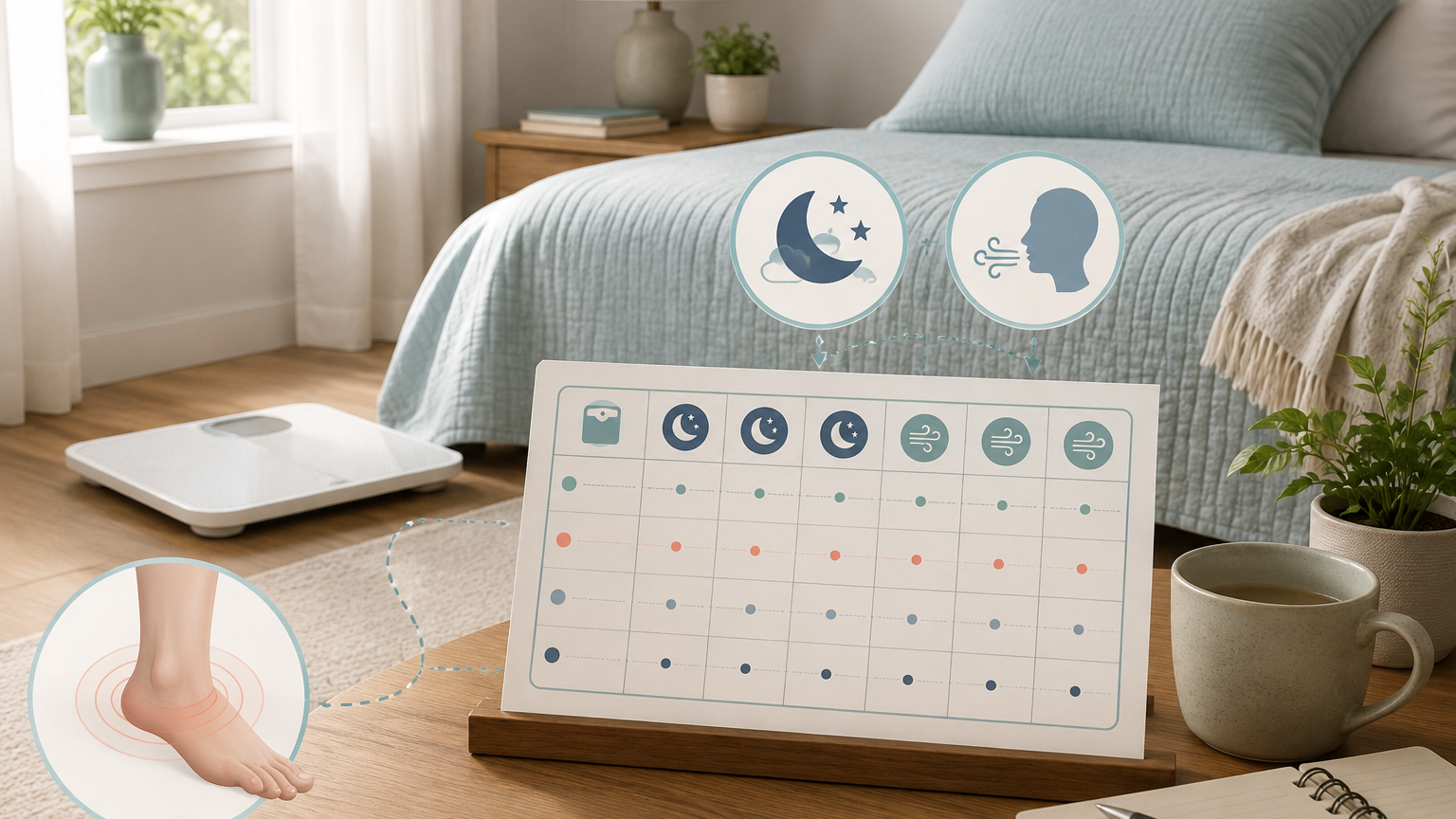
Heart failure symptoms can change over time. Recording your weight, swelling, breathing, sleep, and medications in a relatively consistent way each day can help you and your healthcare team identify trends. However, a single reading or symptom alone usually cannot determine the specific cause of a change in your condition, and it is not a substitute for a physical exam, lab tests, or imaging studies.
What This Log Is For: Spotting Trends and Supporting Follow-Up Visits
The focus of this log is not complexity, but answering practical questions: Are there persistent changes in your body? When did symptoms start? Which activities are affected? Did the changes occur alongside that day's medications, diet, or activity?
A log that is easy to maintain over the long term generally includes:
Date and time of measurement
Weight and measurement conditions
Swelling in the feet, ankles, lower legs, or abdomen
Shortness of breath at rest, during activity, or when lying flat
Waking at night due to breathing discomfort, and changes in sleeping position
Whether you took medications as prescribed that day, and any missed or delayed doses
Diet, fluid intake, activity, and other factors that may affect your condition
Whether you contacted your healthcare team, and any specific instructions received
The value of the log comes mainly from consistency. An abnormal reading on one day may be related to measurement conditions, clothing, eating, or equipment error. Consecutive records are more useful for your healthcare team to interpret alongside symptoms and test results.
Record Weight and Measurement Time Under Similar Conditions Each Day
Try to weigh yourself at a similar time each day, using the same scale. Choose fixed conditions that are easy to follow long-term, such as after waking and urinating, before eating, and wearing similar clothing. Place the scale on a hard, flat surface and stand with both feet stable.
Each time you record the number, also note the time of measurement and any noticeably different conditions, such as changing scales, wearing heavier clothing, having just eaten, or a significant change in measurement time. If a reading is very different from usual, first check the scale's placement and your measurement method, and follow the plan your healthcare team has provided for whether to re-measure or contact them.
Do not judge fluid retention based on a single weight change, and do not adjust diuretics or other heart medications on your own. Which changes need to be reported should be based on the thresholds and action plan provided by your personal healthcare team.
How to Describe Swelling, Shortness of Breath, and Nighttime Sleep Changes
When recording swelling, instead of writing only "yes" or "no," describe the location, extent, and direction of change. For example, note whether swelling is on the top of the foot, ankle, lower leg, or abdomen; whether it is on one side or both; whether it is less in the morning or more noticeable in the evening; and whether shoes or socks feel tighter than usual. Do not repeatedly press the skin firmly just to compare; if the skin becomes painful, noticeably red, broken, or weeping, contact a healthcare professional for evaluation.
When recording changes in breathing, note the triggering situation:
Difficulty breathing when sitting still or lying down
Becoming short of breath more easily than usual when walking, bathing, dressing, or climbing stairs
Needing to stop and rest, or decreased exercise tolerance
Discomfort when lying flat, needing to change sleeping position or add pillows
Waking at night due to breathlessness, coughing, or difficulty breathing
Try to use comparable descriptions, such as "needed to stop and rest when walking the same short distance as yesterday," rather than just writing "felt bad today." Also record cough, palpitations, dizziness, fatigue, or changes in appetite, but do not make a diagnosis based on these symptoms.
Two-Column Trend Table: Body Changes and Same-Day Medications, Diet, and Activity
The simple table below can be filled in once daily. The medication column should only record what actually happened; do not use the table to make your own dose adjustments.
Body Changes | Related Factors That Day |
|---|---|
Date, time, weight, and measurement conditions | Whether medications were taken as prescribed; missed, delayed, or vomited doses |
Swelling location, extent, and change from previous day | Whether diet differed from usual; intake of high-salt processed foods |
Time, posture, and activity when shortness of breath occurred | Fluid intake and adherence to personal medical plan |
Number of night wakings, reasons, and changes in sleep position | Activity level, weather, fever, diarrhea, or other physical discomfort |
Accompanying symptoms such as chest discomfort, palpitations, dizziness, fatigue | Whether healthcare team was contacted and specific instructions received |
Diet and fluid intake should follow individualized medical advice. Different patients have different kidney function, blood pressure, medications, and other conditions, so do not copy someone else's salt or fluid restriction plan.
Which Recording Errors Can Lead to Misinterpretation
Common errors include changing scales, placing the scale on carpet or a sloped surface, significant changes in measurement time, noticeable differences in clothing, and measuring after eating or drinking a large amount. Recording the wrong number, mixing up units, or filling in from memory also reduces the reliability of trend analysis.
Symptom records can also be affected by activity intensity. One episode of shortness of breath after quickly climbing stairs and another while sitting still cannot both be summarized with the same "shortness of breath." Recording what you were doing at the time, how long it lasted, and whether it improved with rest will be more helpful for your healthcare team to understand the situation.
If a home device shows an abnormal reading but you feel different from the reading, first check the device's instructions. If the abnormality persists or is accompanied by discomfort, contact a healthcare professional; do not rely solely on home devices to rule out or confirm a condition.
How to Condense a Week of Data into a One-Page Summary for Follow-Up Visits
Before a follow-up visit, you can organize your daily raw records into one page, prioritizing trends and key changes:
Whether the measurement conditions for your weekly weights were basically consistent; overall stable, rising, falling, or fluctuating
The most noticeable swelling location and the date it first appeared or worsened
Which daily activities were affected by shortness of breath; any discomfort at rest or when lying flat
How nighttime sleep changed compared to usual
Whether you missed any medications or experienced any suspected adverse reactions
Any day when diet, fluid intake, activity, or physical condition was significantly different
Which healthcare providers you contacted and what instructions you received
Questions you want to confirm at the visit
Also bring the complete raw records and an updated medication list, including prescription drugs, over-the-counter drugs, and supplements. The summary is meant to improve communication efficiency and is not a substitute for a complete medical history and evaluation.
Validation Boundaries: A Log Cannot Replace Tests or Self-Adjusting Medications
Weight gain, swelling, or shortness of breath can be related to many conditions. A log can show timing relationships, but it cannot by itself confirm the cause or severity. A doctor may need to combine the history, physical exam, blood pressure, heart rate, lab tests, or other examinations to make a judgment.
Do not change the dose or frequency of diuretics or other medications, or suddenly stop them, based on your records unless your personal treatment plan includes clear written instructions from your healthcare team. Over-the-counter drugs, herbal products, and dietary supplements may also not be suitable for some heart failure patients or may interact with existing medications; consult your doctor or pharmacist before use.
If your healthcare team has provided thresholds for contacting them regarding weight, symptoms, or blood pressure, write these requirements on the first page of your log. If you do not have personal thresholds, ask at your next follow-up visit what changes require same-day contact and what situations require emergency care.
Which Rapidly Worsening or Severe Signs Require Immediate Help
If your shortness of breath rapidly worsens, you are clearly breathless even at rest, or you cannot speak a full sentence normally, call your local emergency services immediately. Persistent chest pain or pressure, fainting, confusion, abnormal lip or skin color, and coughing up pink frothy sputum also require urgent medical evaluation.
New or significantly worsened swelling, significant weight changes over a short period, difficulty breathing when lying flat, repeated nighttime waking due to breathlessness, or a clear decline in your ability to do daily activities should prompt you to contact your healthcare team as soon as possible according to your personal action plan. If you are unsure whether symptoms are urgent and they are still worsening, seek professional help first rather than waiting for the next routine visit.
In an emergency, do not delay seeking help in order to complete your log. If it is safe and does not interfere with treatment, bring your medication list and recent records.
Final Action: Create Your Personal Daily Log and Contact Plan
Start with a simple daily log. Fix your measurement time and scale, and consistently record weight, swelling, breathing, and nighttime sleep changes, along with that day's medications, diet, and activity. Keep the contact thresholds, clinic phone number, and local emergency instructions provided by your healthcare team in an easy-to-find place.
At your follow-up visit, ask your healthcare team to review whether the log items are appropriate for your specific situation, and work together to clarify which changes require contacting whom, within what time frame, and what actions to take in an emergency. A log is a tool for observing trends and improving communication; diagnosis and treatment adjustments must still be done by qualified healthcare professionals.