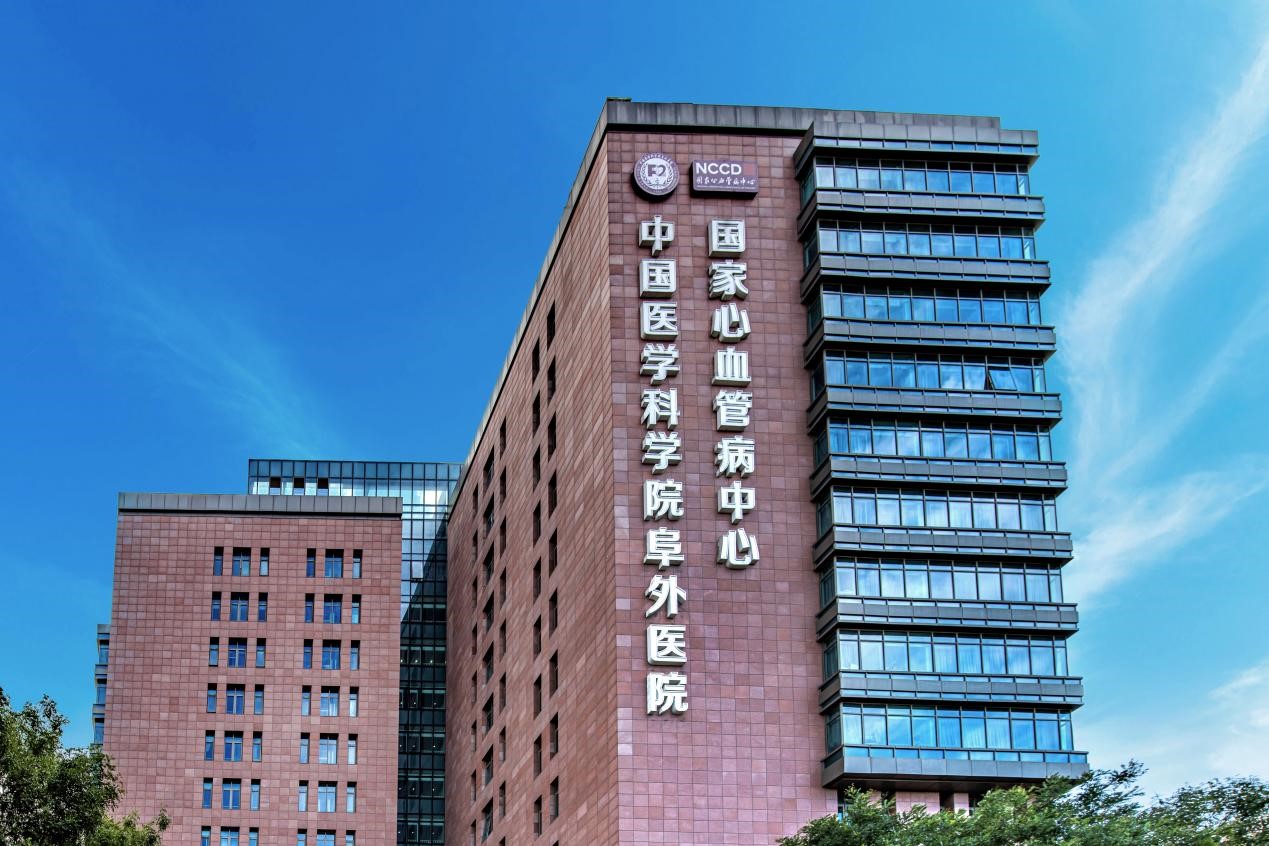
FUWAI Hospital,CAMS&PUMC
Grade A Level 3
Specialties: National Center for Cardiovascular Diseases,National Clinical Research Center for Cardiovascular Diseases,National Clinical Research Center for Cardiovascular Diseases
Summary
The world’s largest cardiovascular disease diagnosis and treatment center, specializing in all diseases of the heart and major blood vessels; its departments of cardiology and cardiac surgery consistently rank first in national specialty rankings.
The world’s largest cardiovascular disease diagnosis and treatment center, specializing in all diseases of the heart and major blood vessels; its departments of cardiology and cardiac surgery consistently rank first in national specialty rankings
Internal Medicine (Minimally Invasive Procedures, Pharmacotherapy) - Coronary Artery Disease Center: Leading in China for CTO (Chronic Total Occlusion) and complex left main coronary interventions, as well as stent implantation - Arrhythmia Center: Radiofrequency ablation for atrial fibrillation and ventricular tachycardia; the Yao Yan team is globally renowned for treating complex arrhythmias - Heart Failure Center: End-stage heart failure, fully magnetic-suspension artificial heart (“Rocket Heart,” domestically produced), and pre-transplant management for heart transplantation. - Hypertension Center: Refractory hypertension and secondary hypertension (screening for adrenal and renovascular causes). - Pulmonary Vascular Disease Center: A leading domestic diagnostic and treatment center for pulmonary arterial hypertension and pulmonary embolism. - Structural Heart Disease: Radiation-free ultrasound-guided interventional occlusion and TAVR minimally invasive valve replacement (Pan Xiangbin’s team pioneered the world’s first radiation-free procedure)
Cardiac Surgery (Open-heart surgery for complex and severe conditions) 1. Adult Surgery: Coronary artery bypass grafting, multivalvular repair/replacement, aortic dissection/aneurysm and other major vascular surgeries, heart transplantation, cardiac tumors 2. Pediatric Cardiac Surgery: Various complex congenital heart defects (Tetralogy of Fallot, complex shunt anomalies); ranks first nationwide in the volume of surgeries for severe congenital heart defects in children 3. Vascular Surgery: Marfan syndrome, aortic coarctation, peripheral arterial lesions
Supporting Specialized Departments: Critical Care Medicine, Cardiovascular Endocrinology (diabetes complicated by heart disease), Traditional Chinese Medicine, Radiology and Imaging, and Genetic Cardiovascular Disease Clinic.
Core Technologies and Industry Advantages 1. Safety Net for Complex and Critical Cases: The national referral center for complex cardiac diseases; the first choice for aortic dissections, severe valvular diseases, and complex congenital heart defects that have failed surgery or cannot be managed at other hospitals 2. Cutting-Edge Innovative Procedures - Radiation-free ultrasound-guided cardiac interventions (safe for pregnant women and children) - Domestically produced fully magnetic-suspension artificial heart, providing life-sustaining support for end-stage heart failure - 3D holographic imaging hybrid operating rooms, absorbable cardiac occlusion devices - Ranked first nationwide in annual volume of heart transplants, major vascular surgeries, and complex radiofrequency ablation procedures 3. High Diagnostic and Treatment Efficiency: Average length of stay is only 6–7 days, with bed turnover rates among the highest in the country 4. End-to-End Prevention and Treatment: Integrated care spanning early screening, medication, minimally invasive interventions, open-heart surgery, heart transplantation, and long-term postoperative chronic disease management. V. Target Patient Population 1. Complex coronary artery disease, recurrent disease after multiple stent placements, and occlusive coronary lesions 2. Atrial fibrillation, refractory ventricular premature beats, and malignant arrhythmias 3. Aortic dissection, aortic aneurysm, and Marfan syndrome 4. Severe valvular disease requiring bypass surgery or valve replacement; 5. Complex congenital heart disease in children; 6. Severe pulmonary arterial hypertension and refractory hypertension; 7. End-stage heart failure requiring an artificial heart or heart transplant; 8. Complex cardiovascular conditions that cannot be diagnosed at other hospitals or carry extremely high surgical risks.