
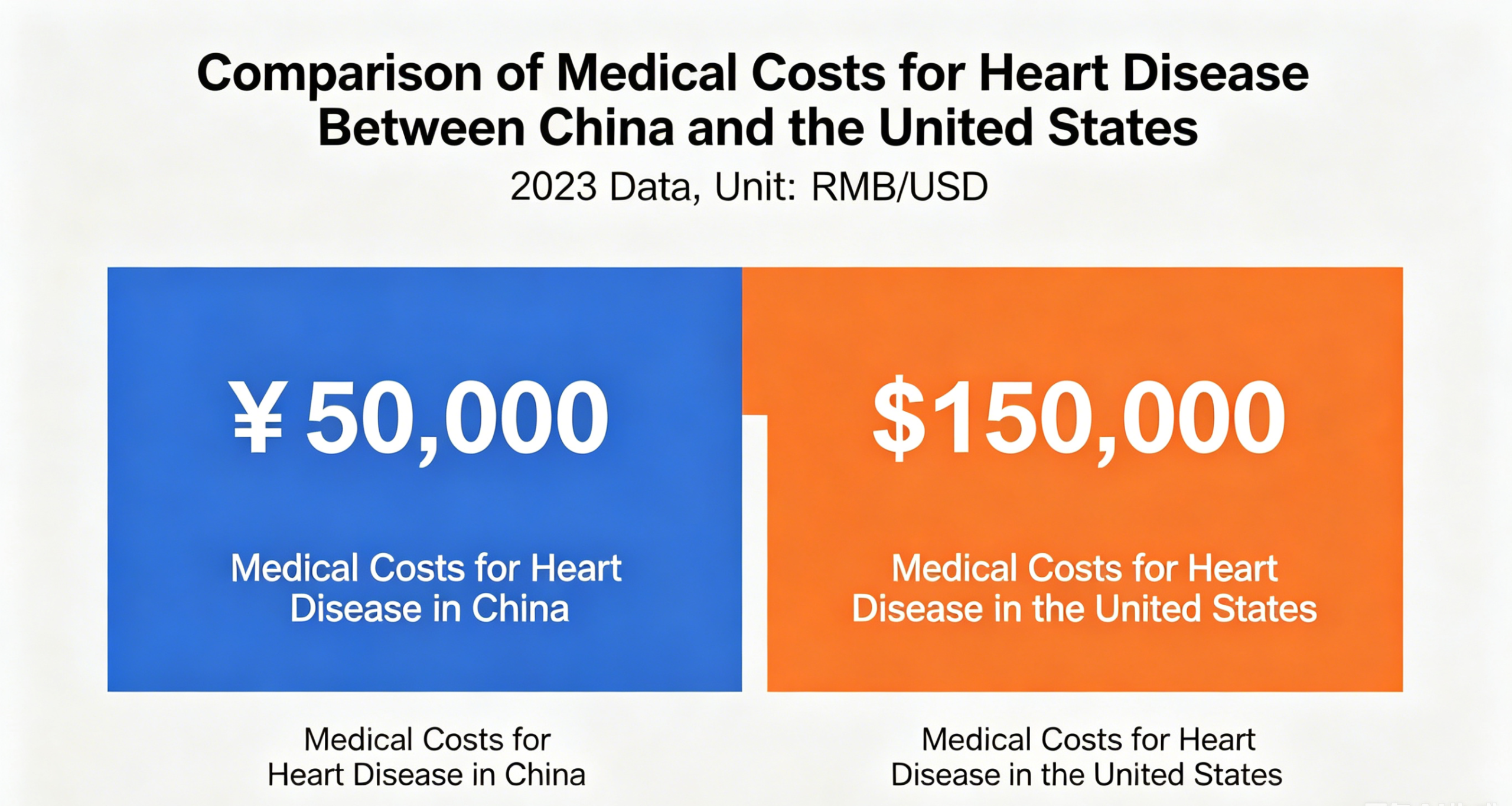
Global Price List for Heart Disease Treatment
Global Heart Disease Treatment Price List: Cost Comparison Among China, the United States, and Major European Countries
Heart disease is one of the leading causes of death worldwide, and its treatment costs vary significantly due to differences in national medical systems, disease types, treatment methods, and medical insurance policies. This article focuses on four core types of heart disease—coronary artery disease, valvular heart disease, arrhythmia, and congenital heart disease—and compiles the treatment price ranges in China, the United States, and major European countries (Germany, the United Kingdom, and France) to provide references for patients and relevant parties (Note: All prices are the latest 2025 market data in US dollars, including surgery, consumables, hospitalization, and basic postoperative care costs, excluding long-term medication and complication management fees).
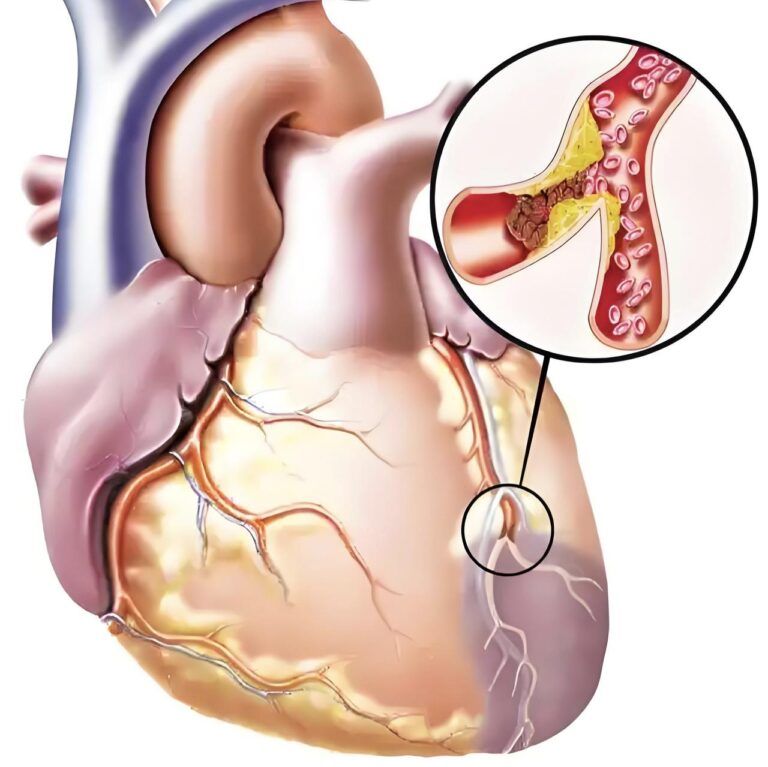
I. Cost Comparison for Coronary Artery Disease Treatment
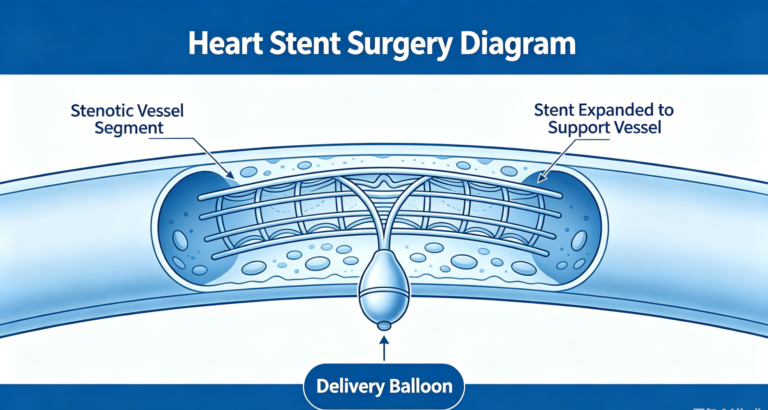
Core treatments for coronary artery disease include stenting, coronary artery bypass grafting (CABG), and conservative drug therapy. Price differences mainly stem from surgical consumables and medical service costs:
| Treatment Method | China (USD) | United States (USD) | Germany (USD) | United Kingdom (USD) | France (USD) |
| Single-vessel Stenting | 3,000-5,000 | 15,000-25,000 | 8,000-12,000 | 4,000-6,000 (NHS) | 5,000-8,000 |
| Multi-vessel Stenting | 6,000-10,000 | 30,000-50,000 | 15,000-22,000 | 8,000-12,000 (NHS) | 10,000-15,000 |
| Traditional Open-chest CABG | 8,000-15,000 | 40,000-70,000 | 20,000-30,000 | 12,000-18,000 (NHS) | 15,000-25,000 |
| Minimally Invasive Off-pump CABG | 12,000-20,000 | 50,000-80,000 | 25,000-35,000 | 18,000-25,000 (NHS) | 20,000-30,000 |
| Conservative Drug Therapy (Annual Cost) | 500-1,200 | 3,000-6,000 | 1,000-2,000 | 200-500 (NHS) | 300-800 |
- Medical Insurance Coverage: In China, medical insurance reimburses 50%-80% of stenting costs (higher reimbursement for domestic stents) and 40%-60% of CABG costs; US Medicare covers 60%-70%, with patients responsible for approximately 30% out-of-pocket; the UK NHS provides free treatment for citizens, while non-citizens pay over 50%; French medical insurance covers 70%-90%, with the remaining portion reimbursable through supplementary commercial insurance.
- Reasons for Price Differences: High US prices are driven by medical service premiums, patent fees for consumables such as stents, and administrative costs; China relies on domestic consumables (accounting for over 70%) and lower labor costs, resulting in prices only 1/5 to 1/3 of those in the US; European countries, supported by public medical systems, have prices midway between China and the US.
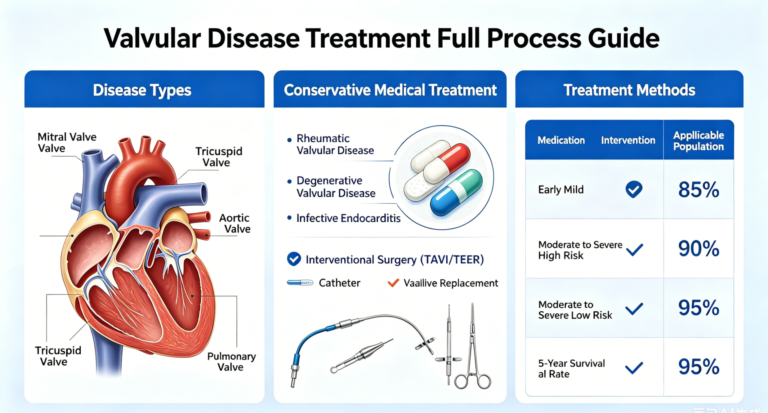
II. Cost Comparison for Valvular Heart Disease Treatment
Treatments for valvular heart disease mainly include valve repair, valve replacement (mechanical/biological valve), and interventional therapy (TAVR/MitraClip). Prices are affected by valve type and the minimally invasive nature of the surgery:
| Treatment Method | China (USD) | United States (USD) | Germany (USD) | United Kingdom (USD) | France (USD) |
| Mitral Valve Repair | 10,000-18,000 | 45,000-75,000 | 25,000-40,000 | 15,000-25,000 (NHS) | 20,000-35,000 |
| Aortic Valve Replacement (Mechanical) | 12,000-20,000 | 50,000-80,000 | 30,000-45,000 | 18,000-30,000 (NHS) | 22,000-40,000 |
| Aortic Valve Replacement (Biological) | 15,000-25,000 | 60,000-90,000 | 35,000-50,000 | 22,000-35,000 (NHS) | 25,000-45,000 |
| Transcatheter Aortic Valve Replacement (TAVR) | 25,000-40,000 | 80,000-120,000 | 50,000-70,000 | 40,000-60,000 (NHS) | 45,000-65,000 |
| Transcatheter Mitral Valve Repair (MitraClip) | 30,000-50,000 | 90,000-150,000 | 60,000-85,000 | 50,000-75,000 (NHS) | 55,000-80,000 |
- Key Notes: Biological valves are 30%-50% more expensive than mechanical valves but do not require lifelong anticoagulation; interventional therapies such as TAVR are significantly more costly than traditional surgery due to expensive consumables (a single set of consumables costs approximately USD 15,000 in China and USD 40,000 in the US); the UK and France offer higher reimbursement rates (up to 90%) for TAVR treatment in patients over 65.
III. Cost Comparison for Arrhythmia Treatment
Arrhythmia treatments include pacemaker implantation, ICD implantation, and radiofrequency ablation. Price differences primarily depend on device type and surgical complexity:
| Treatment Method | China (USD) | United States (USD) | Germany (USD) | United Kingdom (USD) | France (USD) |
| Single-chamber Pacemaker Implantation | 5,000-8,000 | 20,000-35,000 | 12,000-18,000 | 7,000-12,000 (NHS) | 8,000-15,000 |
| Dual-chamber Pacemaker Implantation | 8,000-12,000 | 30,000-50,000 | 18,000-25,000 | 10,000-18,000 (NHS) | 12,000-22,000 |
| Triple-chamber Pacemaker (CRT) Implantation | 20,000-35,000 | 70,000-100,000 | 40,000-60,000 | 30,000-50,000 (NHS) | 35,000-55,000 |
| ICD Implantation | 25,000-40,000 | 80,000-120,000 | 50,000-75,000 | 40,000-65,000 (NHS) | 45,000-70,000 |
| Atrial Fibrillation Radiofrequency Ablation | 6,000-10,000 | 25,000-40,000 | 15,000-25,000 | 8,000-15,000 (NHS) | 10,000-20,000 |
- Device Cost Proportion: Device costs account for 60%-70% of the total surgical cost. Domestic pacemakers in China are only 50%-70% the price of imported products (e.g., a domestic single-chamber pacemaker costs approximately USD 3,000, while an imported one costs around USD 5,000); the US has the highest prices globally due to device patent monopolies.
IV. Cost Comparison for Congenital Heart Disease Treatment
Congenital heart disease primarily affects pediatric patients, with treatment costs closely related to the complexity of the condition (simple/complex malformations):
| Treatment Method | China (USD) | United States (USD) | Germany (USD) | United Kingdom (USD) | France (USD) |
| Minimally Invasive Atrial Septal Defect Closure | 3,000-6,000 | 15,000-25,000 | 8,000-12,000 | 4,000-8,000 (NHS) | 5,000-10,000 |
| Ventricular Septal Defect Repair | 6,000-12,000 | 30,000-50,000 | 18,000-28,000 | 10,000-20,000 (NHS) | 12,000-25,000 |
| Patent Ductus Arteriosus Ligation | 4,000-8,000 | 20,000-35,000 | 10,000-16,000 | 5,000-10,000 (NHS) | 6,000-14,000 |
| Tetralogy of Fallot Radical Correction | 15,000-30,000 | 80,000-150,000 | 45,000-75,000 | 30,000-60,000 (NHS) | 35,000-70,000 |
| Total Anomalous Pulmonary Venous Connection Correction | 20,000-40,000 | 100,000-180,000 | 60,000-90,000 | 40,000-80,000 (NHS) | 50,000-85,000 |
- Pediatric Medical Insurance Policies: China implements special assistance for children under 14 with congenital heart disease, with reimbursement rates of 80%-100% (full reimbursement for poor families); US Children’s Health Insurance Program (CHIP) covers 70%-90% of treatment costs for children from low-income families; public medical systems in European countries provide essentially free treatment for pediatric congenital heart disease.
V. Core Reasons for Price Differences and Important Notes
- Differences in Medical Systems: The US relies primarily on private healthcare with limited price regulation, leading to high prices driven by service premiums and patent fees; China and Europe depend on public healthcare, where governments strictly regulate the pricing of medical services and consumables, and the popularity of domestic/regional consumables reduces costs.
- Domestic Consumables Penetration Rate: China’s domestic production rate of cardiac stents, pacemakers, and other consumables exceeds 70%, while the US and Europe have high reliance on imports (approximately 80%), resulting in significant gaps in consumables costs.
- Impact of Medical Insurance Policies: Universal medical insurance systems in European countries and China substantially reduce patients’ out-of-pocket expenses; US medical insurance coverage is limited, with out-of-pocket ratios as high as 30%-50% (uninsured patients must pay the full cost).
- Important Notes:
- The above prices are for basic treatment; costs for complex cases (e.g., combined with heart failure or renal failure) may increase by 50%-100%;
- Annual long-term postoperative medication costs (e.g., anticoagulants, statins) are approximately USD 500-6,000 and need to be calculated separately;
- Cross-border medical treatment requires considering transportation, accommodation, and follow-up costs. It is recommended to prioritize authoritative domestic hospitals (e.g., Fuwai Hospital in China, Mayo Clinic in the US, Munich Heart Center in Germany).
VI. Conclusion
Global heart disease treatment prices show a pattern of “highest in the US, middle in Europe, and lowest in China,” with price gaps of 3-5 times for the same treatment. For ordinary patients, China offers significant cost-effectiveness advantages, and core technologies (such as stenting, TAVR, and pacemaker implantation) have reached internationally advanced levels; the US and Europe excel in treating complex cases and applying new technologies (such as leadless pacemakers and bioresorbable stents) but come with higher costs. Patients are advised to comprehensively consider their condition, economic situation, and medical insurance coverage when choosing treatment plans and countries for medical care.